Therapeutic approach
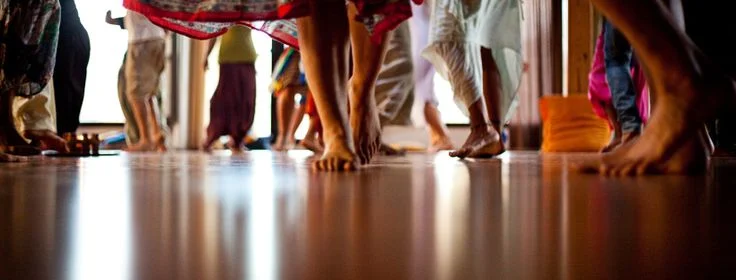
The group as a therapeutic tool
Group therapy, guided and supervised by specialized therapists, is a powerful therapeutic tool because it offers a safe and reliable space to share experiences, receive support and understanding, and practice new ways of relating that are then transferred to daily life. In addressing mental health, the shared experience has a healing effect and enhances individual and collective progress.
Art therapy
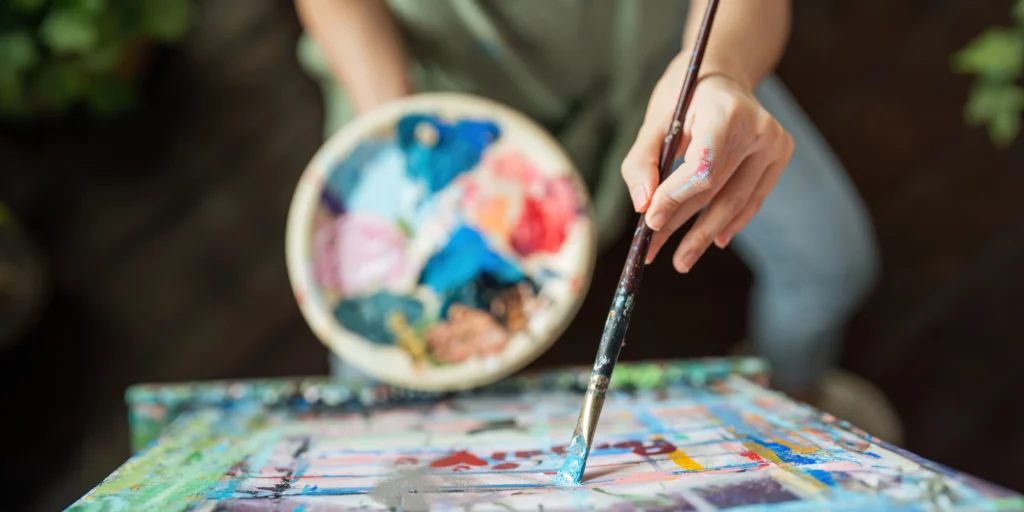
Art therapy uses artistic languages (drawing, collage, painting, modeling, writing, and movement) to explore emotions, personal narratives, and internal resources.
The approach offers us a non-verbal and safe channel to express and regulate emotions, reinforce self-esteem, and improve social and cognitive skills. Art therapy also uses an inclusive approach, as it does not require any artistic skills: the focus is on the process, not the result.

Ecotherapy
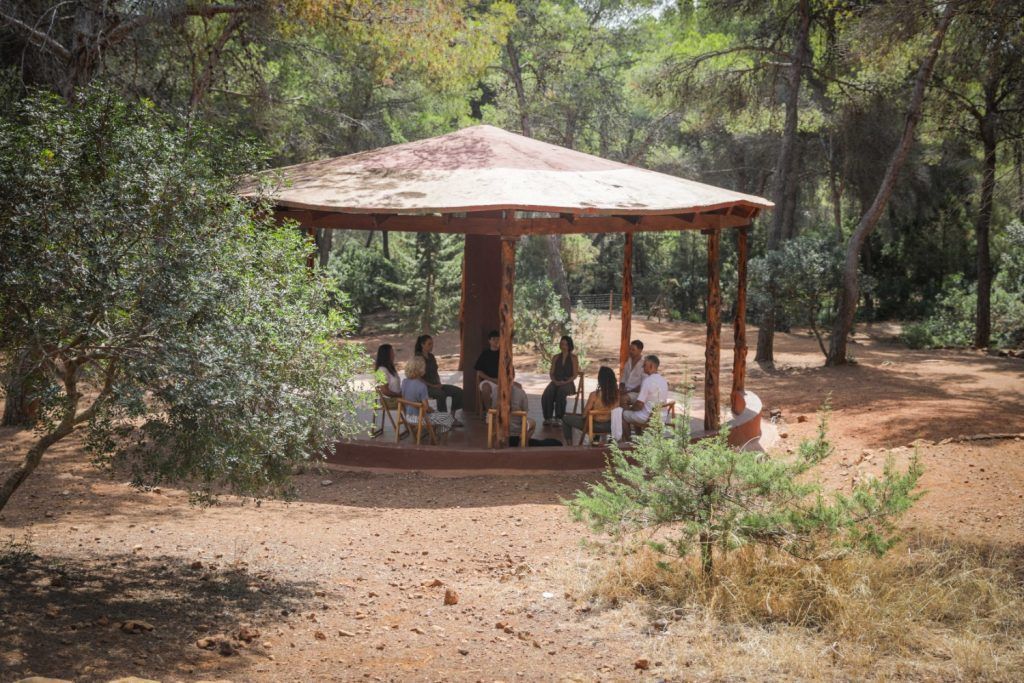
Ecotherapy integrates the relationship with nature into the therapeutic process.
Psychotherapy guided in outdoor environments promotes physiological calm and presence, offering multiple methodological options, such as mindful walks, breathing and mindfulness practices outdoors, grounding exercises, etc. The practice of Ecotherapy reduces stress and anxiety, expands each participant’s self-regulation resources, and strengthens the sense of connection and belonging.
Mindfulness therapy
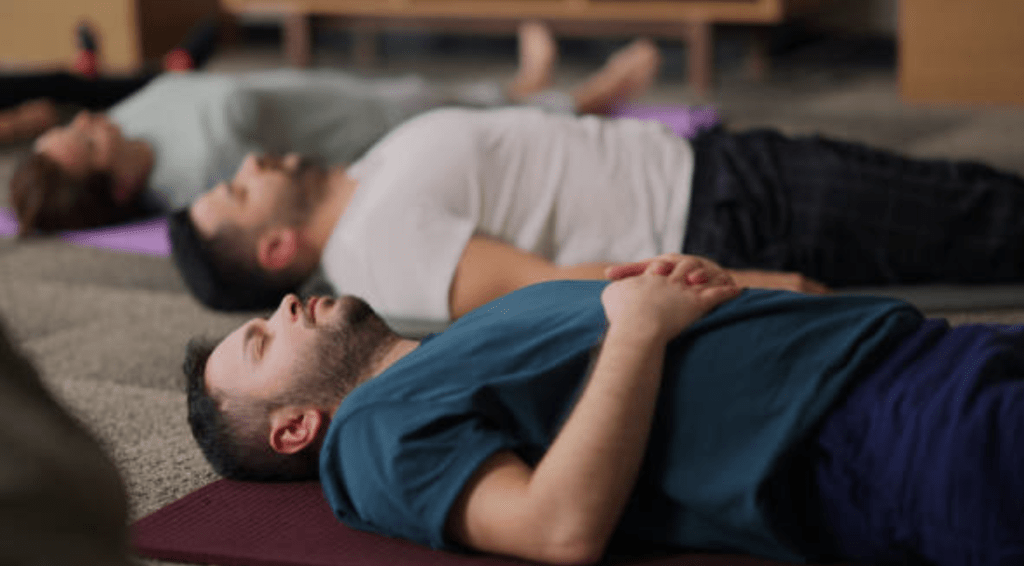
Mindfulness Therapy is a form of trained attention that consists of directing awareness, intentionally and without judgment, to the experience of the present moment, contacting bodily sensations, breathing, thoughts, and emotions.
The main objective of this therapeutic tool is to improve emotional and physiological self-regulation, reduce stress and anxiety, and increase mental clarity, self-care, and compassion towards oneself and others.
Horticultural therapy
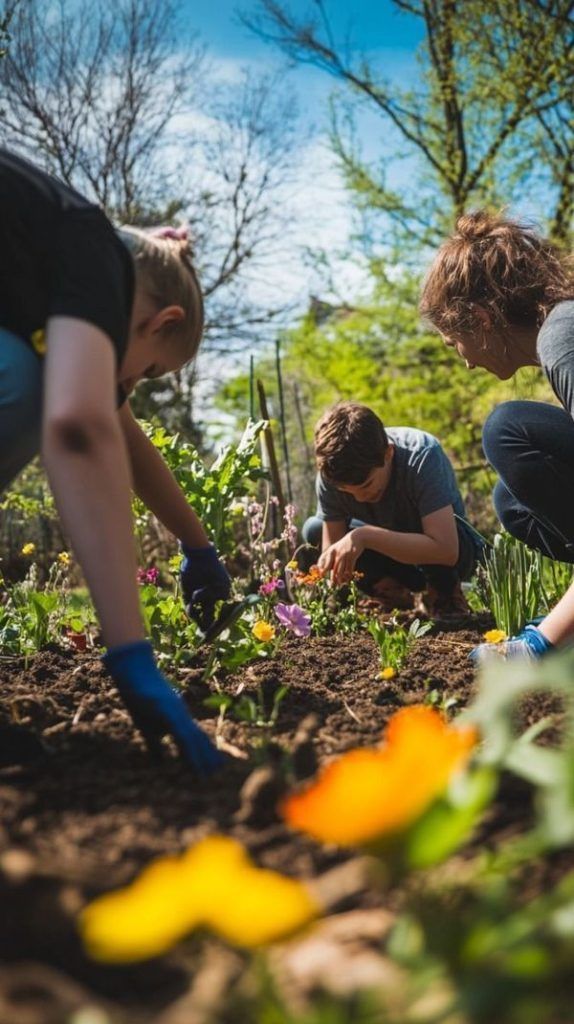
Horticultural therapy uses the cultivation and care of plants as a means to promote emotional regulation, sustained attention, and a sense of accomplishment. The focus is on the process: planning, caring for, and observing cycles, encourages presence, responsibility, and healthy relationships, while offering multiple sensory inputs to calm the nervous system. The application of horticultural therapy is especially beneficial in the treatment of anxiety, depression, and chronic stress; in grief and trauma; in neurodiversity; in addictions and psychosocial rehabilitation; and in older adults or those with cognitive impairment, where memory, orientation, and socialization are stimulated.
Animal-assisted therapy
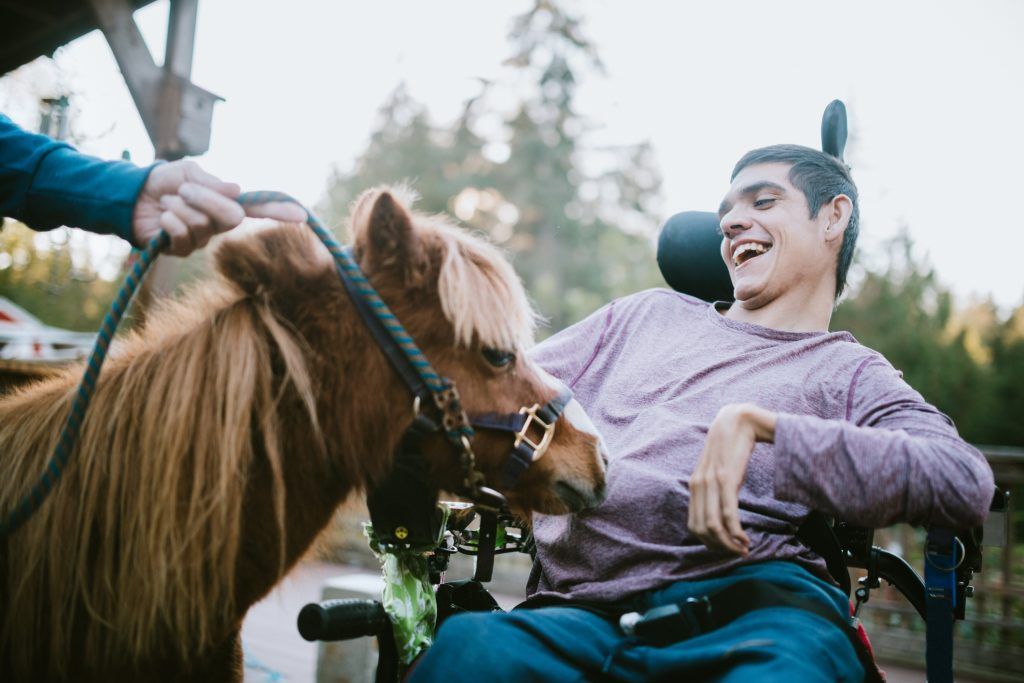
Animal-assisted therapy incorporates structured interaction with trained animals (dogs, horses, or others) within a clinical process with clear objectives. These activities promote physiological and emotional regulation, attention and motivation, and allow social skills to be practiced in a safe and highly reinforcing environment. Clinical intervention is connected with the values of care, respect for people and animals, coexistence, and responsibility.
Integrative body therapy
Integrative Body Therapy uses the body as a pathway to the emotional and cognitive world.
Through the exploration of our bodily sensations, we can recognize patterns of tension, expand the window of tolerance, and regulate the nervous system. Integrative body therapy is enhanced through group work by co-regulation and peer learning (mirror dynamics, respectful feedback, practice of boundaries and consent), within a safe framework supervised by specialized therapists.