Founding history
Journey of the founder Ana Blanco García
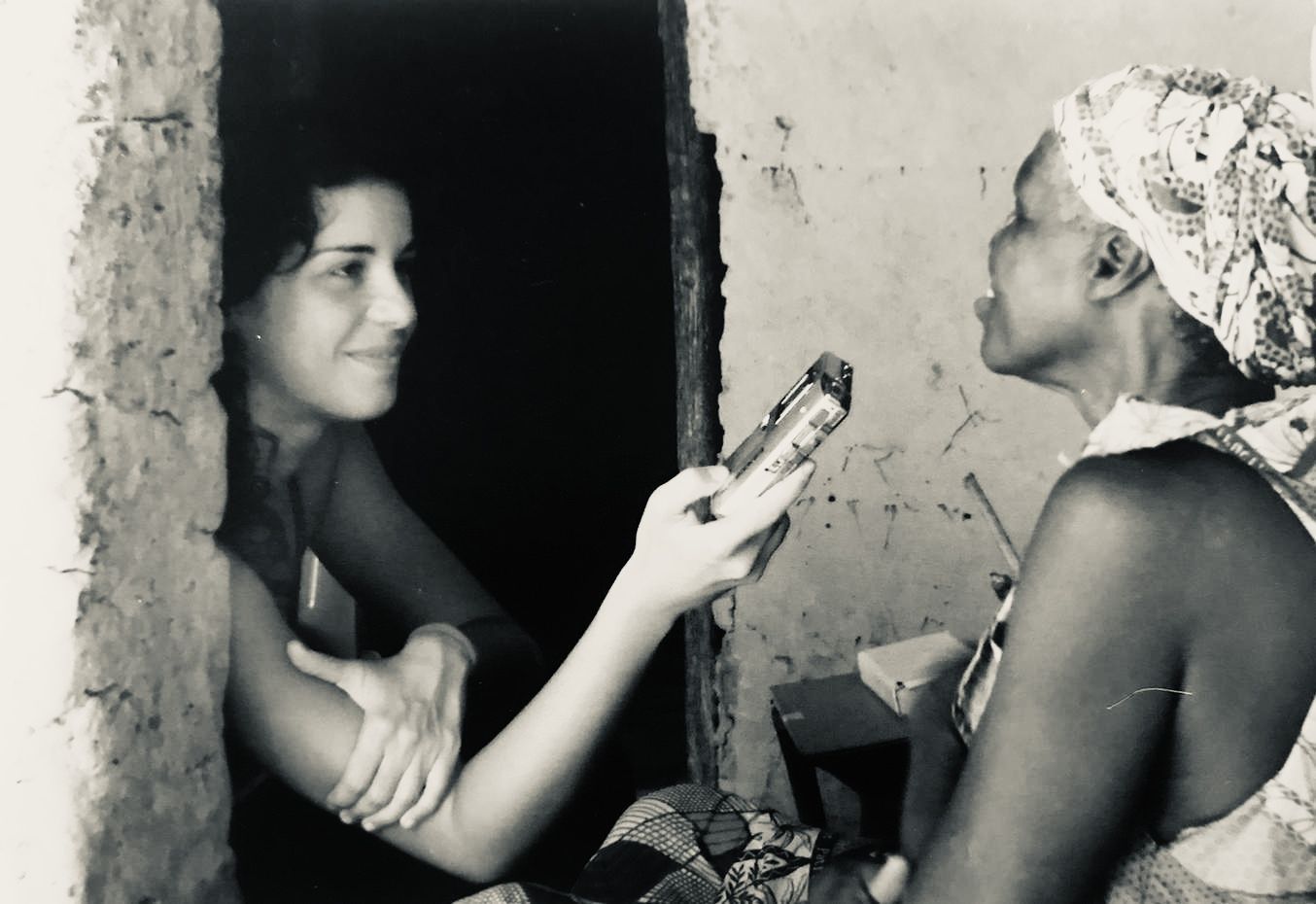
Although I have felt a deep commitment to social justice since I was very young, it was my experience of almost seven years dedicated to international cooperation and meeting other cultures and communities that ended up marking my vital and professional journey.
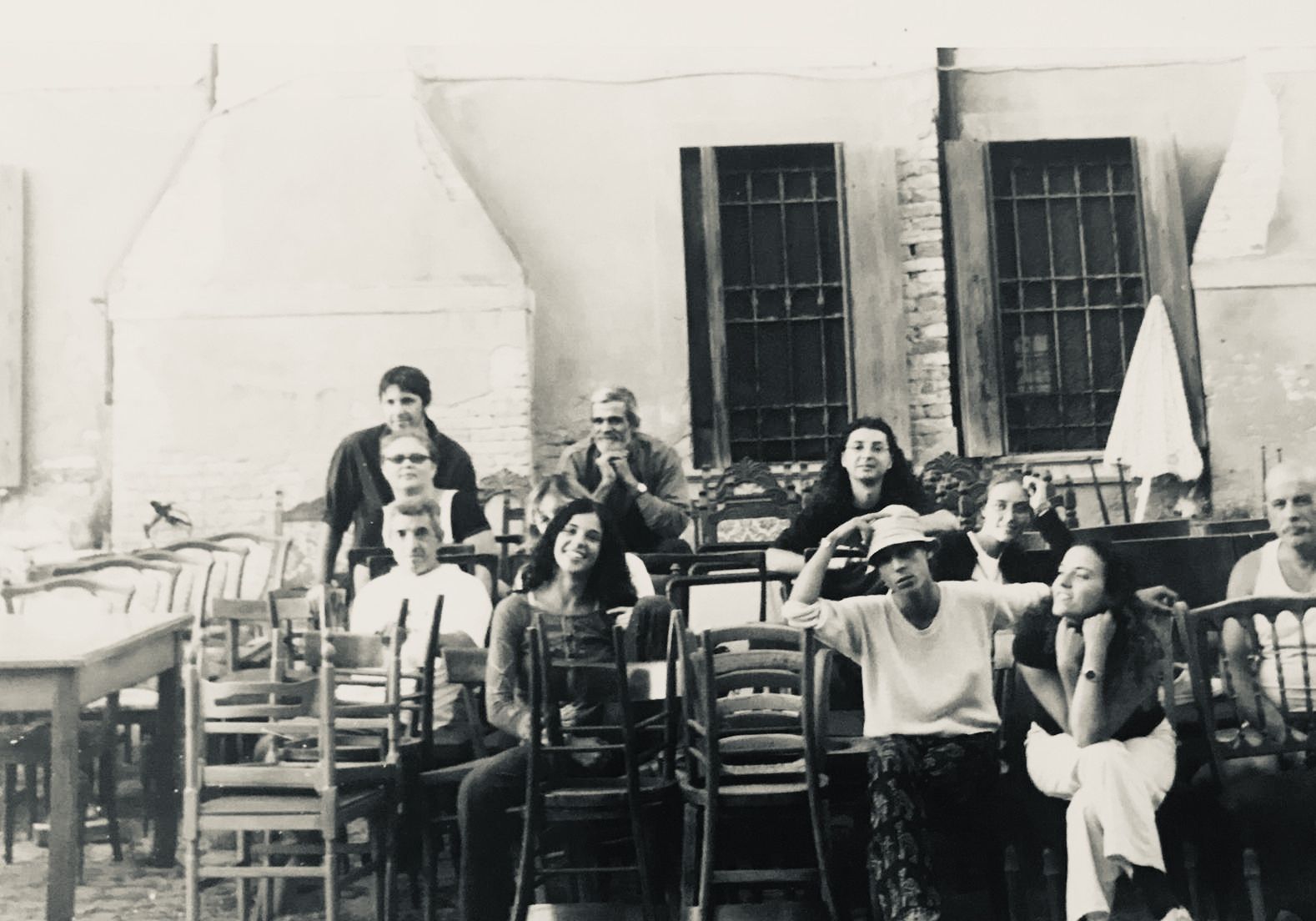
Fiesso Umbertiano Therapeutic Community
This stage began in Italy, upon finishing my psychology degree and doing my first volunteer work in a therapeutic community with former drug addicts and former inmates. Daily contact with stories of pain and exclusion, and at the same time with the strength of dignity and change, confirmed to me that psychology could and should be a tool for social justice.
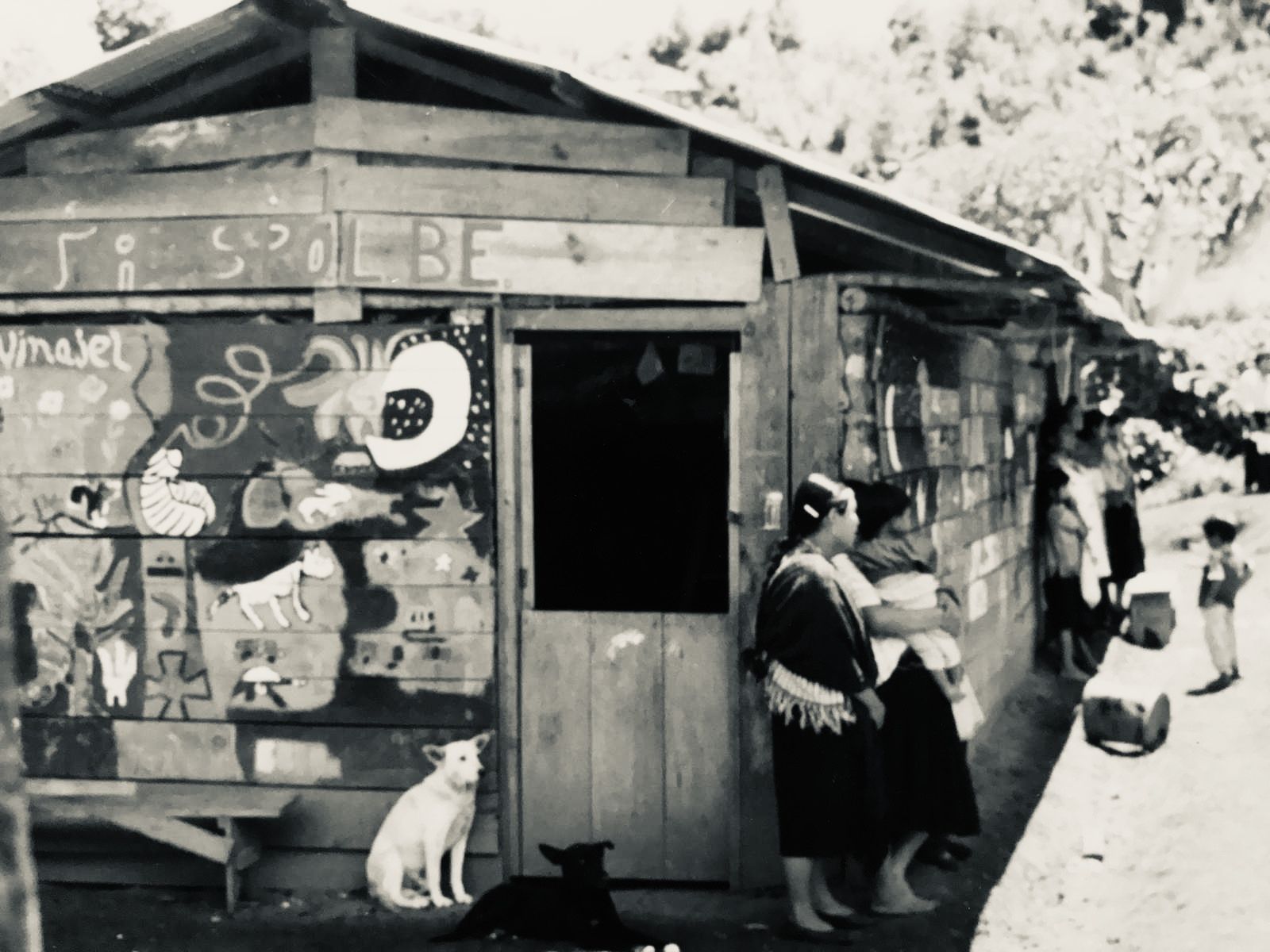
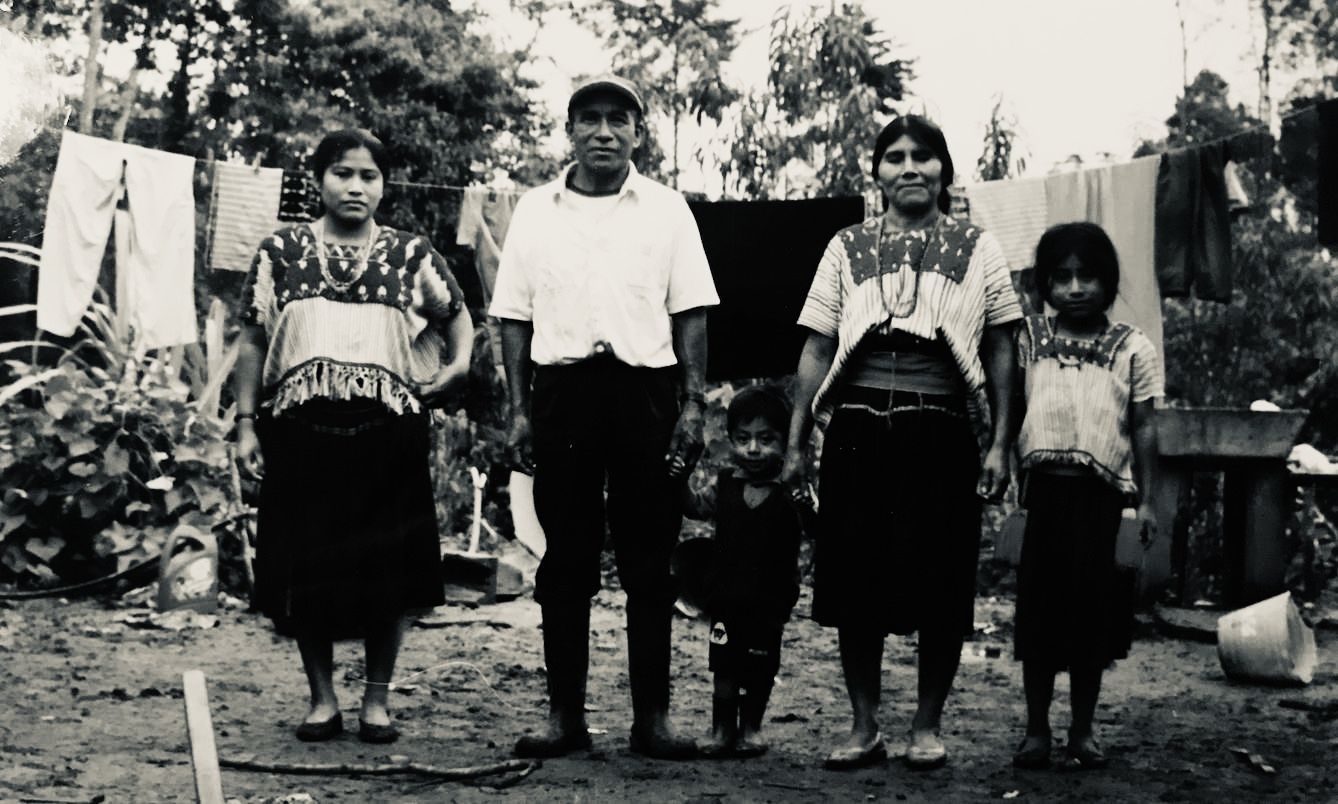
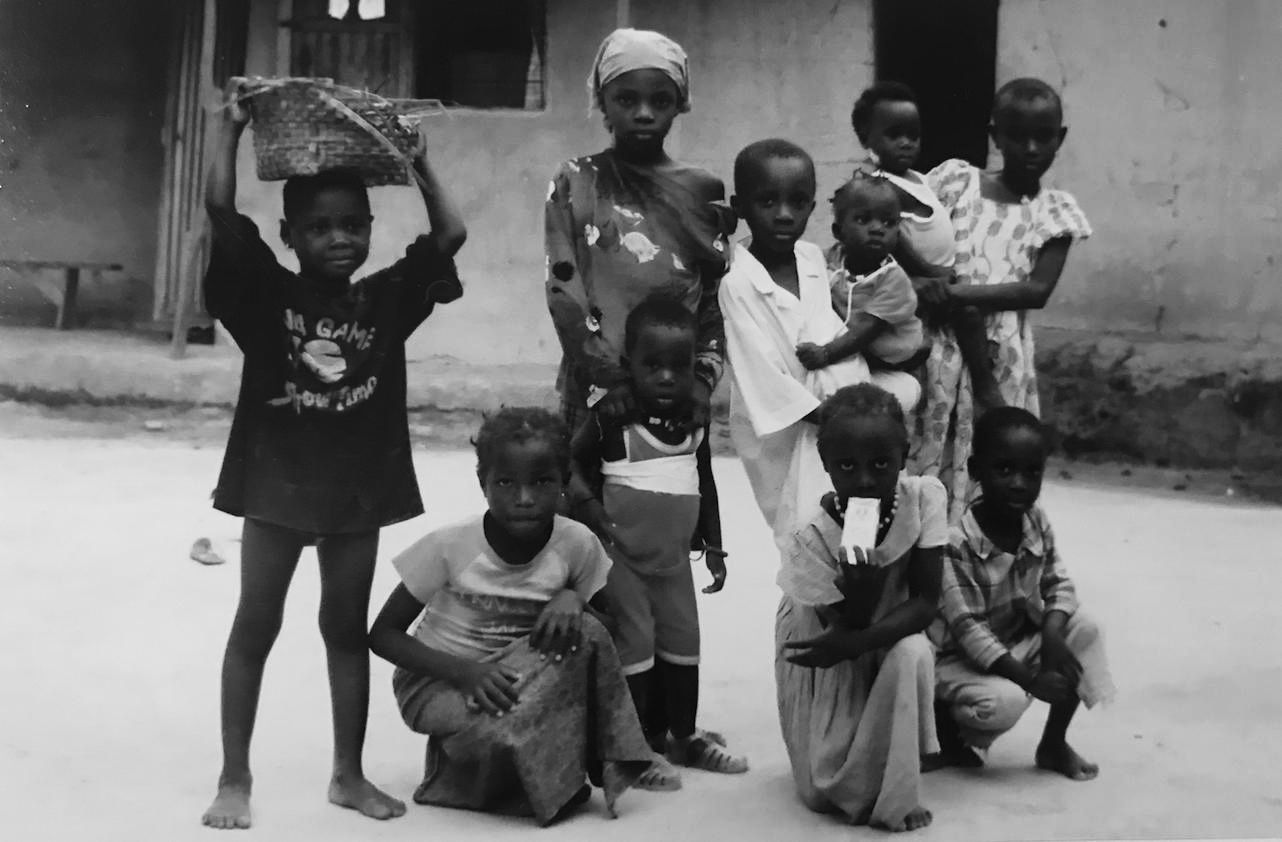
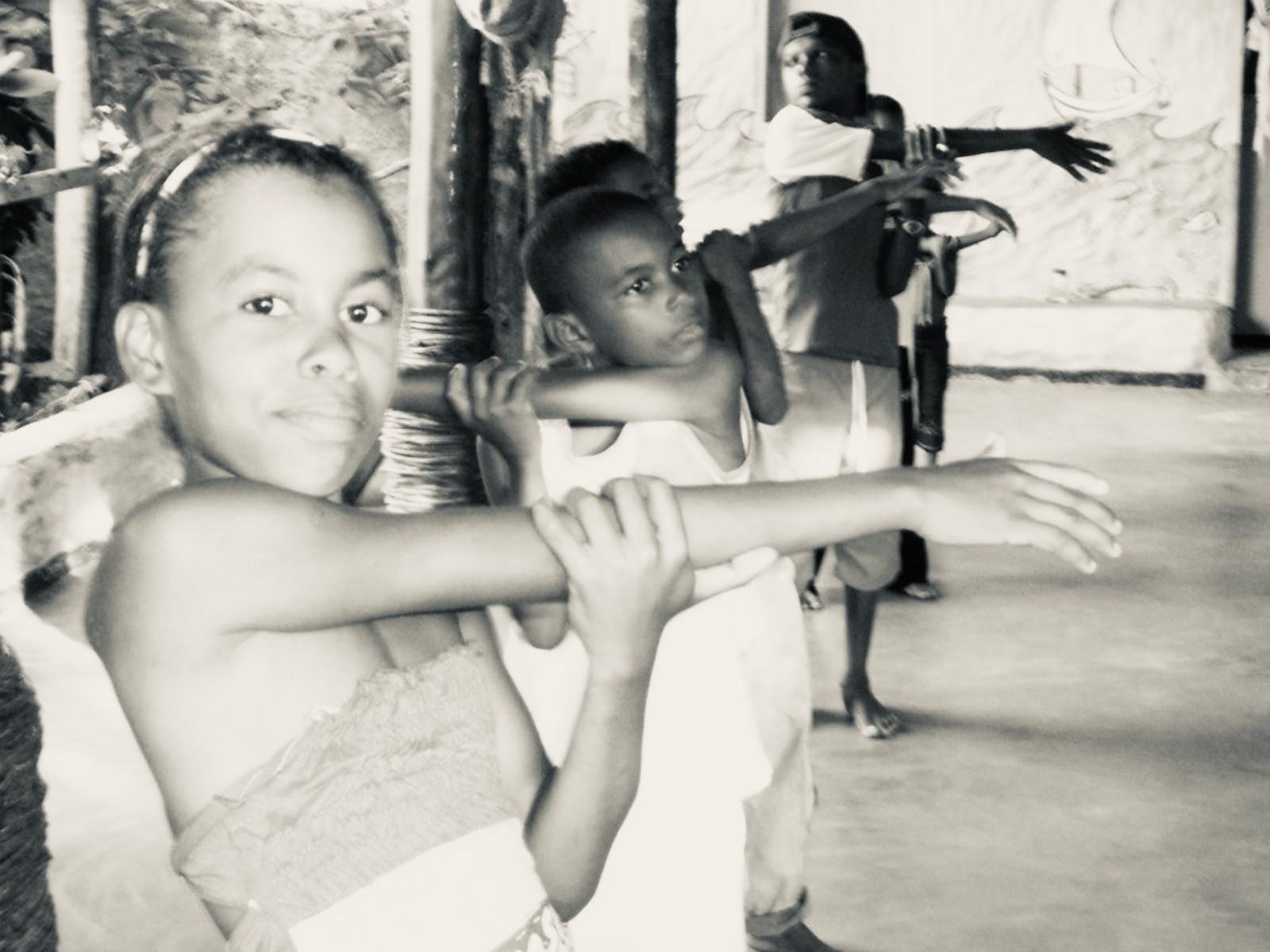
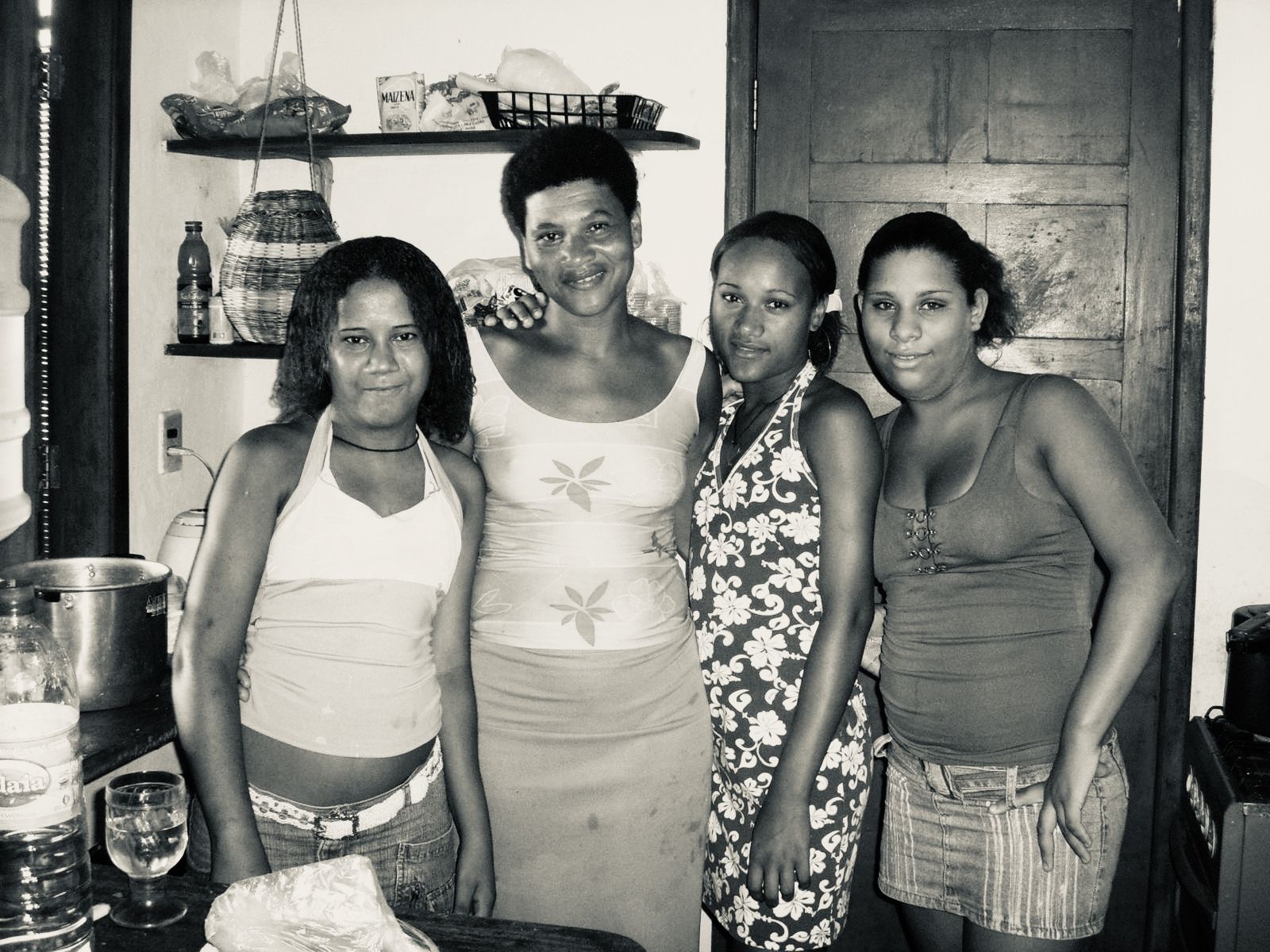
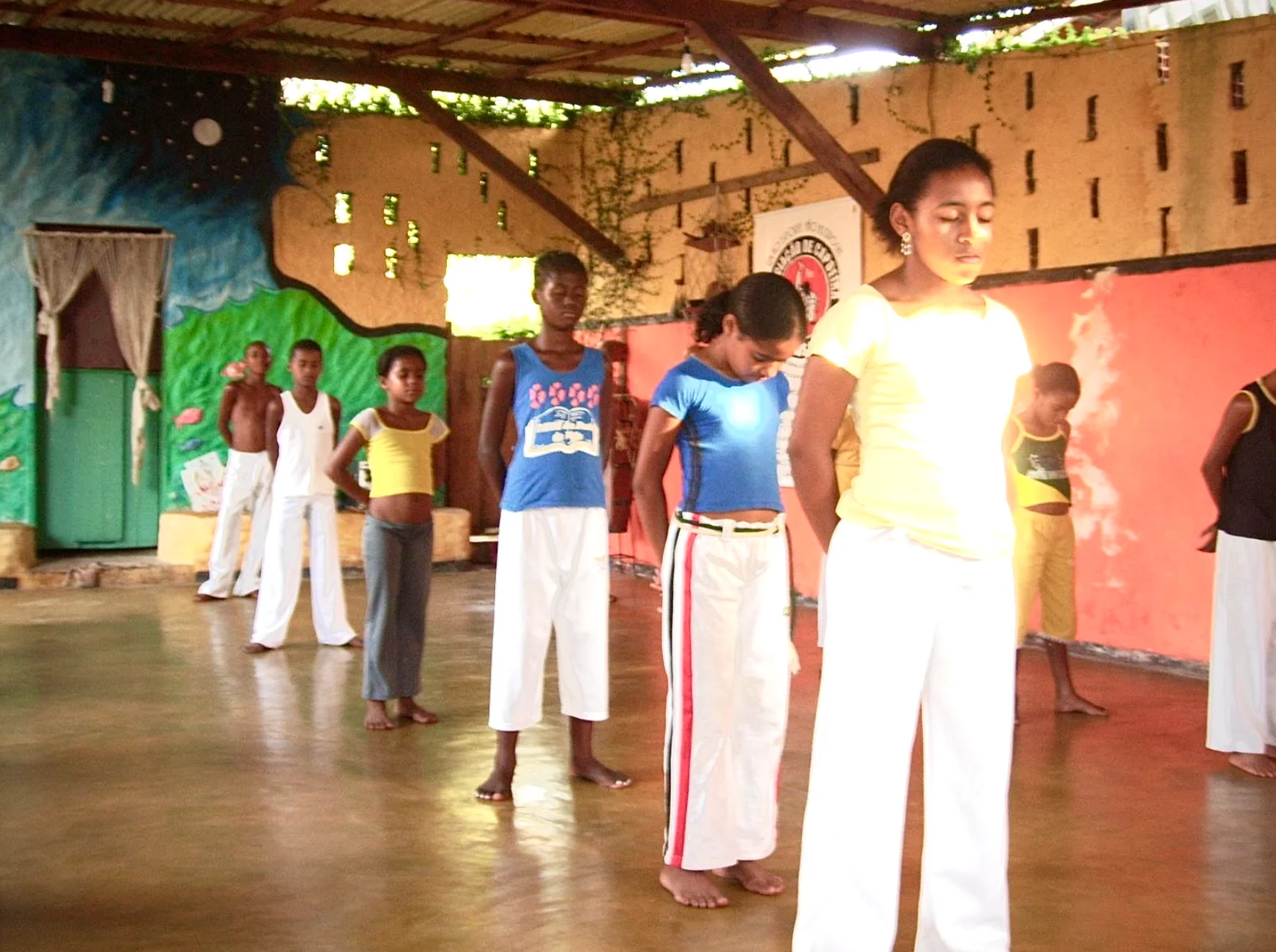
Later, I settled for years in Latin America and Africa, where I had the opportunity to work on cooperation projects in Brazil, Mexico, and Senegal. It was there that I became truly aware of the power of community in contexts of poverty.


In community projects, I learned that the functioning of many human groups is not based on the individualistic logic that predominates in developed countries, but on a strong shared responsibility. I realized that the education of children in those communities was a collective task, and respect for elders, an essential key rooted in their cultures.
That network of ties, that sense of belonging and mutual care, revealed to me another possible way of living and building community.
Upon my return to Spain, I began working in the field of prevention with at-risk minors, and for more than a decade I have been coordinating the Training Area of the National Association of Tutor Agents, an initiative promoted by the Ministry of Health and the Spanish Federation of Municipalities and Provinces. In this area, I manage training actions to accompany local police officers from all over Spain in their specialization as preventive agents with vulnerable minors and families.
It has been and is a privilege to be part of the birth and development of this project, which seeks to prevent exclusion from a collaborative, community, and proactive perspective.
Vital bifurcations led me to the island of Ibiza, where I have resided for seven years and combine my work as a psychotherapist and trainer. From my private practice as a therapist, I have been able to connect with the community reality of the island and verify the lack of human resources and economic means to respond to the need for mental health care for the most vulnerable groups: minors at risk, women victims of violence, migrants, elderly people in solitude…
It is here that my personal and professional path has been reconnecting with the yearning for social justice of my childhood and with the awareness of the power of community intervention acquired in the years of international cooperation.
The call to action came with force: mental health care should be a fundamental right and not a luxury or a privilege accessible only to people who can afford treatment. There can be no health without mental health, in the same way that a community cannot be considered healthy if it leaves behind the most vulnerable. The time had come to be part of the change I wanted to see in the world and create a stable project, with impact, with soul.
This Foundation is born in this way: as a felt need, as a collective response, and as a way of putting at the service of this community the training, experience, and commitment of a strong and committed team of psychologists and therapists. And it is that Almaterra has become a reality by resonating with a team of people motivated to share and weave the same dream, equally committed to accompanying people and groups in situations of vulnerability, from an integrating, ethical, and accessible approach.
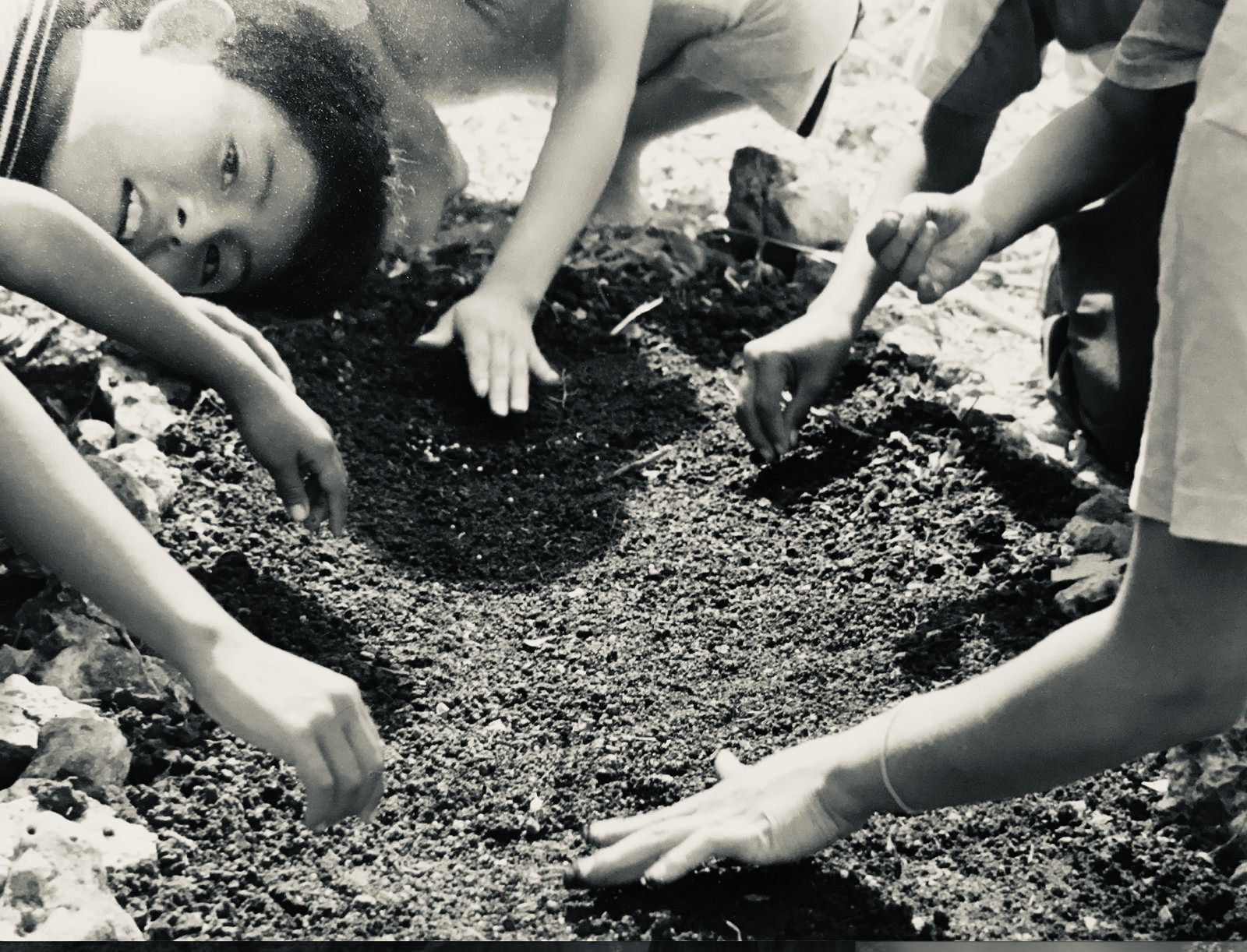
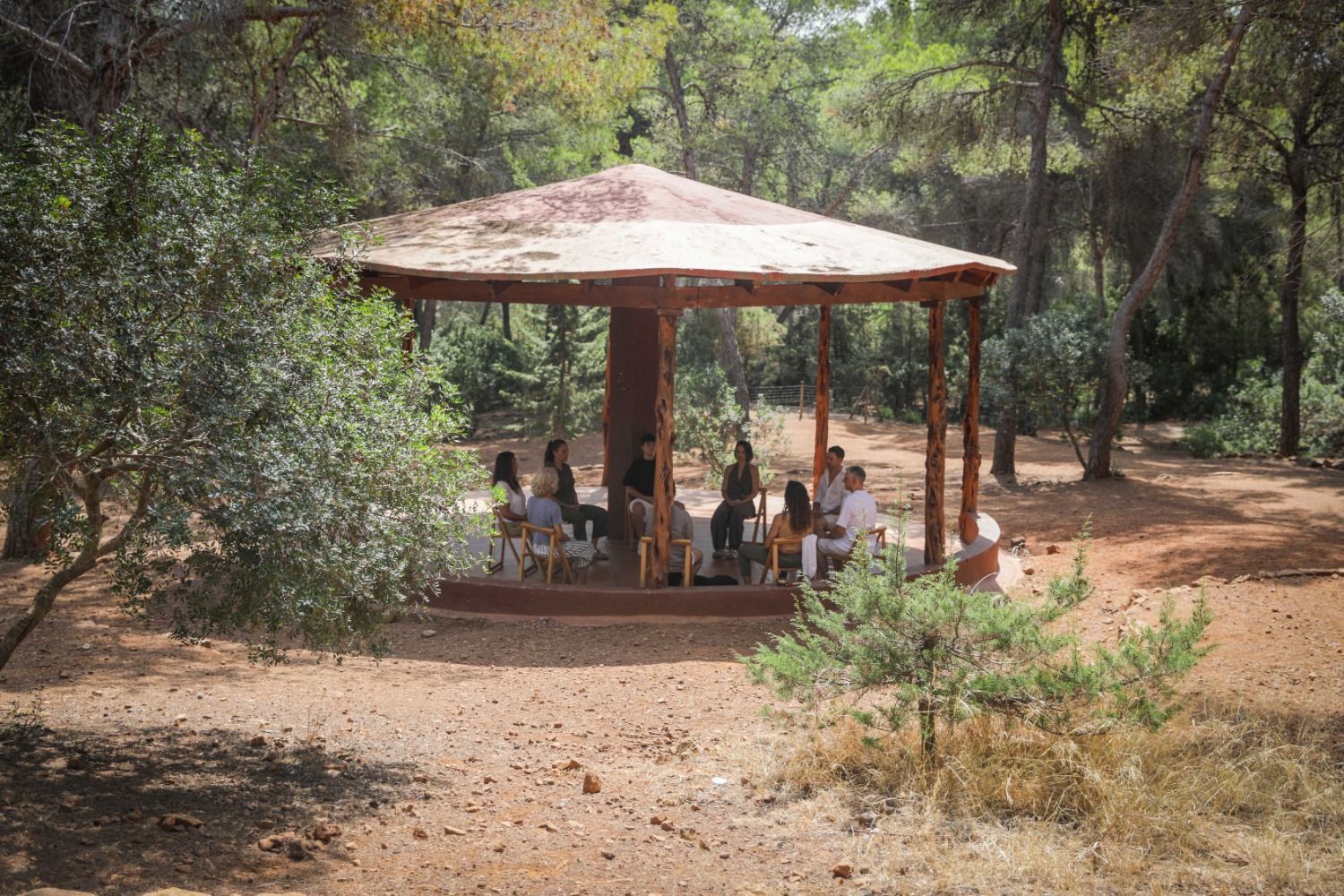
At Almaterra, we firmly believe that emotional health and social well-being cannot be understood without a deep awareness of the link with the natural environment. For this reason, one of the roots of this foundation is also environmental awareness. Healing also implies reconnecting with the earth, the rhythms, the ecosystems that sustain us. Our therapeutic intervention therefore incorporates this ecological vision: we believe that there can be no human well-being without care for the planet.
This Foundation emerges from the deep desire to accompany processes of individual and collective transformation and healing, and to generate real, sustainable, and transformative care networks. Because suffering exists, yes, but also the possibility of healing, caring, and changing things.